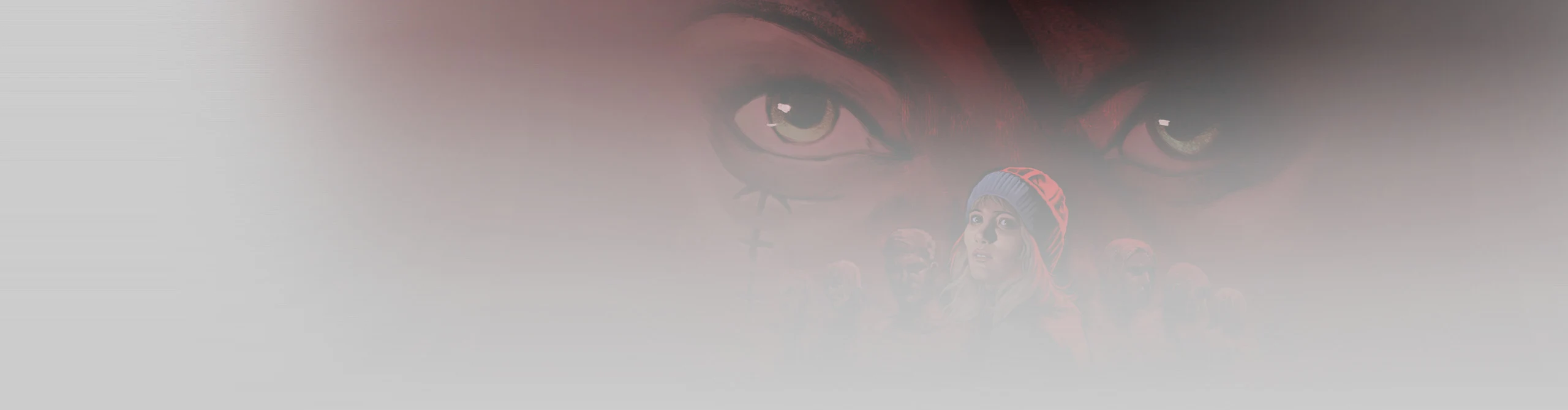
- Tenebris Somnia characters revolve around Julia, the protagonist navigating a nightmare world.
- The cast is presented through two visual modes: retro 2D pixel gameplay and live-action cutscenes with practical effects.
- Monsters function as symbolic story elements, not simple combat obstacles.
- The game launches October 16, 2026 on PC, PS5, Xbox Series, Switch, and Switch 2.
- Character details will be expanded on this wiki as the full release unlocks deeper story content.
Tenebris Somnia Characters Overview
The Tenebris Somnia characters are the emotional core of one of 2026's most unusual horror releases. Developed by a team led by Argentine creator Andrés Borghi and published by New Blood Interactive, the game blends a retro 2D survival horror framework with live-action cutscenes filmed using practical effects. That dual presentation directly shapes how its characters are written: pixel-art figures carry the interactive exploration, while real actors embody the nightmare's most disturbing moments.
At the center of the story stands Julia, the protagonist whose experiences bridge the boundary between an ordinary life and a dreamlike horror world. Because the game was still in its pre-release phase at the time of writing (the official release date is October 16, 2026, per the Steam store page), this guide focuses on everything publicly confirmed and clearly separates it from interpretation based on trailers and demo content.
This article keeps late-game reveals out of the main text. Deeper character analysis of the ending and final-act revelations lives in our dedicated Story & Ending Explained section, so you can read this page safely before your first playthrough.
The confirmed character framework looks like this:
| Character / Presence | Role | Presentation Style | Story Function |
|---|---|---|---|
| Julia | Protagonist | 2D gameplay and live-action scenes | Anchor between reality and the nightmare |
| Live-action cast | Supporting figures | Filmed cutscenes with practical effects | Deliver the most unsettling story beats |
| The creatures | Antagonistic presences | Pixel-art enemies and filmed forms | Externalize fear, guilt, and unresolved trauma |
| The nightmare world itself | Recurring "character" | Both visual modes | Blurs the line between dream and reality |
Julia: The Protagonist
Julia is the character through whom the entire nightmare is experienced. Public materials and the official trailers consistently frame her story around a descent into a disturbing dream world, where familiar domestic spaces twist into hostile territory. Her journey is what gives the game its psychological-horror spine: the monsters she encounters are less random obstacles and more manifestations tied to her circumstances.
A few things define how Julia works as a protagonist:
- Ordinary beginnings. Julia's story starts in a recognizable, grounded setting before the nightmare logic takes over, which makes the tonal shift into horror far more effective.
- Vulnerable, not powerless. True to classic survival horror tradition, she explores, solves puzzles, and manages scarce resources rather than fighting through everything.
- Dual presence. Julia appears both in pixel-art gameplay and in the live-action sequences, making her the connective thread between the game's two visual languages.
- Interpretive arc. The transitions between her waking life and her dreams invite players to question which layer of the story is "real."
Pay close attention to the live-action scenes. The practical-effects imagery is not just stylistic — the filmed sequences carry key story information that the pixel-art gameplay deliberately withholds. Comparing the two versions of the same character is part of the intended experience.
How the Live-Action Presentation Shapes the Cast
The choice to film cutscenes with real actors and practical effects — a craft highlighted in coverage from PC Gamer — gives the Tenebris Somnia characters a texture that pure pixel art could not achieve. The cast performs the horror physically: prosthetics, lighting, and in-camera effects create monsters and moments that feel documentarily real, contrasting sharply with the retro game language surrounding them.
| Presentation Mode | What It Shows | Emotional Effect |
|---|---|---|
| Retro 2D pixel art | Exploration, puzzles, item use, enemy encounters | Nostalgic, classic survival horror tension |
| Live-action cutscenes | Key story beats, character close-ups, creature reveals | Genuine dread and visceral discomfort |
| Practical effects | Physical monster and gore imagery | Grounded, tangible horror that resists stylization |
The Creatures: Characters of the Nightmare
The creatures in Tenebris Somnia deserve a place in any character discussion because they operate as storytelling devices. Rather than a bestiary of interchangeable monsters, the enemies Julia faces reflect the psychological themes of the narrative — fear, intrusion, and the unresolved boundary between dream and waking life.
Publicly, the following patterns define the creatures:
- They frequently mirror or distort familiar forms, turning comfort into threat.
- The same entity can appear differently in pixel-art gameplay versus live-action scenes, and those differences are meaningful.
- Encounters emphasize tension and evasion over open combat, consistent with the game's limited-resource design.
Familiar Distortions
- Creatures twist recognizable shapes
- Domestic imagery turns hostile
- Symbolic rather than random design
Dual-Form Monsters
- Different in pixel art vs. film
- Live-action versions amplify horror
- Form shifts hint at story meaning
Survival Encounters
- Emphasis on observation and evasion
- Limited resources discourage brute force
- Escaping is often the correct answer
Once the game launches on October 16, 2026, our Enemies database will catalog each creature's first appearance, attack behavior, weaknesses, and whether it can be bypassed — kept separate from this story-focused character page.
How to Analyze Characters on Your First Playthrough
If you want to get the most out of the cast without spoiling yourself, follow this structured approach. It works for the demo and will hold up for the full release.
Note the Baseline
In the earliest scenes, record what Julia's normal life looks like — locations, relationships, and routines. The nightmare later distorts exactly these elements, so your first notes become your decoding key.
Track the Visual Switches
Every time the game cuts from pixel art to live action, write down what changed: which character appears, what they say or do, and what emotional register the scene carries. These transitions are the story's punctuation.
Compare Creature Forms
When a creature appears in both gameplay and filmed sequences, compare the two versions. Differences in form, scale, or behavior usually point toward its symbolic meaning.
Revisit After the Ending
After finishing the game, replay or review the opening scenes. Character introductions read very differently once you know where the dream boundary actually sits.
You do not need to decode everything in one run. Tenebris Somnia is built for interpretation — play once for atmosphere, then return with this framework for analysis.
Character Development After Launch
Tenebris Somnia's cast will continue to grow in documented detail after release. Our tracking priorities for the wiki's Story and Characters sections are listed below, and the official Steam community hub remains the authoritative channel for new story content, localization additions, and post-launch updates.
The game currently supports five interface and subtitle languages — English, Spanish (Spain and Latin America), Japanese, and Brazilian Portuguese — which affects character study too: voiced or text nuances in the live-action scenes may differ subtly across localizations.
Post-Launch Character Coverage Plan:
- Full Julia story timeline with chapter references
- Live-action cast and scene-by-scene breakdown
- Creature symbolism and dual-form comparisons
- Ending interpretation and character resolution analysis
Development news, demo updates, and localization announcements appear regularly on the Steam news feed. We update this page as official information is confirmed, and we clearly label anything interpretive.
Characters FAQ
Q: Who is the main character in Tenebris Somnia?
Julia is the protagonist of Tenebris Somnia. Her experiences form the bridge between an ordinary life and the disturbing nightmare world, presented through both retro 2D gameplay and live-action cutscenes with practical effects.
Q: Do the Tenebris Somnia characters appear as real actors?
Yes, in part. The game alternates between pixel-art gameplay and filmed live-action sequences. Key story moments and character scenes are performed by real actors with practical effects, which is one of the game's signature features.
Q: Are the monsters also considered Tenebris Somnia characters?
Functionally, yes. The creatures are designed symbolically rather than as generic enemies, and their appearances in both pixel art and live-action forms carry story meaning tied to Julia's nightmare.
Q: Will this character guide be updated after release?
Yes. Tenebris Somnia launches on October 16, 2026, and this wiki will expand the character coverage with confirmed post-launch details, ending analysis, and creature breakdowns as the full game becomes available.