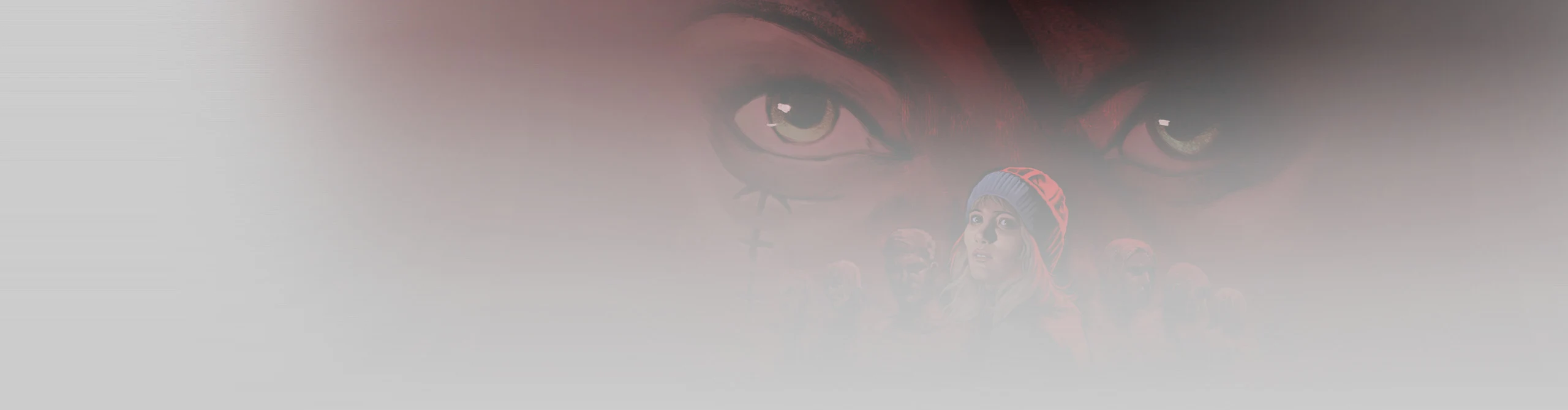
- Tenebris Somnia live action cutscenes use real actors and practical effects, not CG animation
- The game pairs retro 2D pixel-art gameplay with filmed sequences for unsettling contrast
- Developer Andres Borghi and the Argentine team come from a practical horror film background
- Live action scenes carry key story information about Julia and the nightmare world
- Release date is October 16, 2026 across PC and console platforms
What Makes the Live Action Scenes Special
Tenebris Somnia is a retro 2D survival horror adventure, but its most talked-about feature is how it breaks its own visual language. During key story moments, the pixel-art presentation cuts away to live action footage performed by real actors, with monsters built as practical physical effects rather than rendered digitally. The result feels like discovering a cursed VHS tape hidden inside a classic 8-bit horror game.
The developers have emphasized that this approach was a deliberate artistic choice. As PC Gamer reported, the team takes pride in crafting imagery that artificial intelligence could never replicate — handmade creature effects, real lighting on real film, and the imperfect, tactile texture that only practical filmmaking produces.
This duality defines the entire experience:
| Element | Pixel-Art Gameplay | Live Action Cutscenes |
|---|---|---|
| Visual style | Retro 2D sprites, top-down or side view | Filmed actors, physical sets |
| Creatures | Pixel-rendered enemies | Practical-effect monsters |
| Mood | Familiar classic horror | Deeply uncanny, intrusive |
| Story role | Exploration and puzzle solving | Reveals, turning points |
| Pacing | Player-controlled | Cinematic, non-interactive |
Do not skip the filmed sequences on your first run. They are short, but several contain environmental and story clues that help you interpret later events and the ending.
Why Practical Effects Change the Horror
Most modern horror games lean on CG cutscenes or in-engine cinematics. Tenebris Somnia goes the opposite direction, and the reasoning is worth understanding as a player.
The contrast effect. When your brain settles into the comfortable rhythm of pixel art, an abrupt switch to live action footage creates an immediate sense of wrongness. The game looks safe, and then it suddenly does not. That mismatch is the core of the title's psychological horror design.
Physicality you can feel. Practical creature effects — rubber, foam, makeup, prosthetics — carry weight and imperfection. When a monster appears in a filmed scene, it occupies real space with real shadows, which reads very differently from a sprite stepping into frame.
The FMV lineage. This technique echoes the full-motion video horror games of the 1990s while modernizing the concept. Instead of cheesy green-screen acting, the filmed segments are shot with genuine horror-craft sensibility, closer to an indie genre film than a dated multimedia experiment.
| Horror Technique | How Tenebris Somnia Uses It | Player Impact |
|---|---|---|
| Medium switch | Pixel to film transitions | Sudden dread, unease |
| Practical monsters | Physical props and makeup | Believable, tactile threat |
| Lighting | Real cinematic lighting | Contrast with flat pixel scenes |
| Sound design | Film audio in cutscenes | Heightened immersion |
| Framing | Cinematic camera work | Story weight, foreshadowing |
The live action sequences include disturbing creature imagery and unsettling psychological themes. If you are sensitive to body horror or analog-horror style visuals, expect these scenes to be more intense than the pixel gameplay suggests.
How Live Action Fits the Story
The narrative of Tenebris Somnia follows Julia through a nightmare world where the boundary between dream and reality keeps dissolving. The live action cutscenes are not decorative — they are the primary channel through which the game communicates its most important story beats.
Reality Anchors
- Filmed scenes often represent moments closest to real life
- Ground the dreamlike pixel exploration
- Contrast defines what is "real"
Nightmare Intrusions
- Practical-effect creatures invade ordinary settings
- Domestic imagery turns hostile
- Mirrors psychological themes
Ending Context
- Final filmed sequences reframe the journey
- Reward close viewing on second playthrough
- Ambiguity is intentional
Because the pixel sections and the filmed sections each carry different halves of the story, players who want to fully understand the ending need to treat both as one continuous text. Recurring symbols, the repeated dream imagery, and the transitions themselves are part of the storytelling. The Steam store page and official release trailer preview this dual presentation without spoiling where the story goes.
Our full Story and Ending Explained analysis coverage separates spoiler-free premises from full-spoiler interpretation, so you can read safely at any stage of progress.
Do the Filmed Scenes Affect Gameplay?
A common question from new players is whether the live action sequences are purely passive or tied to mechanics. Here is what to expect and how to prepare for them.
Watch for the Transition Cue
Gameplay typically slows or isolates you in a space before a cinematic triggers. Treat quiet, enclosed moments as signals that a story beat is approaching.
Absorb the Visual Details
Filmed scenes frequently contain object placements, symbols, or numbers you may need later. Watch actively rather than waiting for control to return.
Note the Emotional Tone
The horror in Tenebris Somnia is psychological. The tone of each filmed scene tells you which parts of the story are trustworthy and which are distorted.
Save Before Major Beats When Possible
If the game offers a save opportunity ahead of a story sequence, use it. Replaying key scenes helps catch details missed on the first viewing.
Revisit on a Second Playthrough
Many filmed details read completely differently once you know the ending. A second run turns the cutscenes into a confirmation of your interpretation.
| Situation | Recommended Action |
|---|---|
| Cutscene begins | Watch fully, note symbols |
| Creature appears on film | Remember its form for in-game encounters |
| Post-cutscene gameplay | Check inventory and surroundings |
| Confusing plot beat | Note timestamp mentally for later replay |
| Ending sequence | Watch transitions between modes closely |
Resources stay scarce throughout. Do not treat cutscene endings as safe zones — re-enter gameplay with the same caution you had before the cinematic started.
Release, Platforms, and Where to Watch Official Footage
Tenebris Somnia launches on October 16, 2026, published by New Blood Interactive. If you want to preview the live action presentation before buying, official channels have you covered.
| Detail | Information |
|---|---|
| Release date | October 16, 2026 |
| Publisher | New Blood Interactive |
| Platforms | PC (Steam), PS5, Xbox Series, Switch, Switch 2 |
| Steam Deck | Verified |
| Supported languages | English, Spanish, Latin American Spanish, Japanese, Brazilian Portuguese |
| Official trailer | Release date trailer on YouTube |
| Community hub | Steam Community |
Before You Play — Live Action Checklist:
- Watch the official release date trailer
- Add the game to your Steam wishlist
- Confirm your platform of choice
- Check language support for subtitles
- Review the spoiler-free story premise
Follow the Steam news feed and the New Blood Interactive Discord for demo updates, patch notes, and any new live action trailers ahead of launch.
FAQ
Q: Are the Tenebris Somnia live action cutscenes skippable?
Treat them as essential viewing. They are short, story-critical, and contain visual clues that inform the ending. Skipping them on a first playthrough weakens your understanding of the narrative and its psychological themes.
Q: Is Tenebris Somnia an FMV game?
No. The core gameplay is retro 2D survival horror exploration with puzzle solving and resource management. Live action sequences appear as cutscenes at key story moments, creating a deliberate contrast with the pixel-art gameplay rather than replacing it.
Q: Who created the practical effects for the live action scenes?
The development team, led by filmmaker Andres Borghi, comes from a practical horror film background. The creatures in the filmed sequences are physical effects created by hand rather than digital renders or AI-generated imagery.
Q: When does Tenebris Somnia release and on which platforms?
Tenebris Somnia releases on October 16, 2026 for PC via Steam, PlayStation 5, Xbox Series, Nintendo Switch, and Nintendo Switch 2. The Steam version is Steam Deck Verified and supports five language options.