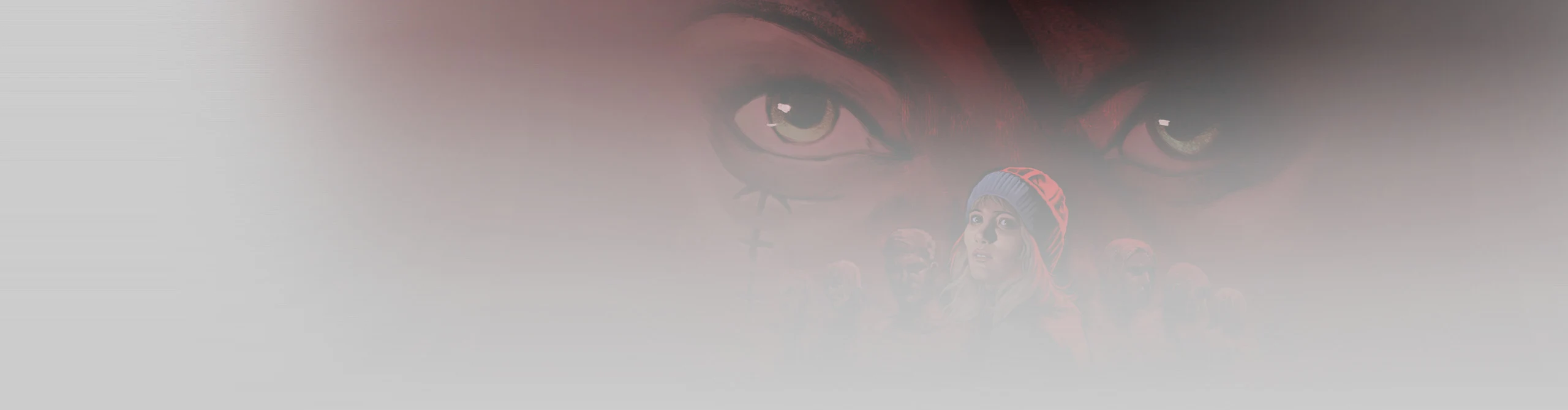
- Tenebris Somnia ending ties the finale to recurring dream imagery and the reality/nightmare boundary.
- Dual presentation: retro pixel gameplay contrasts with live-action, practical-effects cutscenes.
- Interpretive finale: the conclusion rewards reading symbols rather than expecting a conventional reveal.
- Spoiler structure: this guide escalates from spoiler-free premise to full ending analysis.
- Release timing: the game launches October 16, 2026, so analysis will expand post-launch.
Tenebris Somnia Ending: What to Expect From the Finale
Tenebris Somnia is a retro 2D survival horror adventure that deliberately speaks two visual languages: interactive pixel-art exploration and filmed live-action cutscenes built with practical effects. That contrast is not decoration — it is the key to reading the ending. The finale should be understood as an interpretation of what the protagonist has experienced, not a simple twist reveal.
Before the full analysis, watch the official release trailer to see how the game frames the shift between gameplay and filmed horror:
Video Highlights:
- Retro 2D survival horror exploration with puzzle solving and limited resources
- Disturbing creatures rendered in classic pixel style
- Live-action cutscenes with practical effects breaking into gameplay
- The dreamlike tone that frames the entire narrative
The first sections below are spoiler-free. The deeper analysis sections discuss the ending's structure and imagery in full. Stop reading at any point if you have not finished the game.
| Topic | Spoiler Level | What It Covers |
|---|---|---|
| Story premise | None | Basic setup and presentation style |
| Dream imagery | Light | Recurring symbols and visual motifs |
| Live-action scenes | Light | How filmed sequences shape the story |
| Ending analysis | Full | Finale structure and interpretation |
| Character reading | Full | Protagonist arc and thematic meaning |
The Two Worlds: Pixel Nightmares and Filmed Reality
The core structural device of Tenebris Somnia is the boundary between ordinary reality and the nightmare. Gameplay takes place in a dreamlike, hostile world rendered in retro pixel art, while key story beats arrive through live-action sequences featuring real performers and physical creature effects.
This split matters for the ending because the game constantly asks which layer is "real":
Pixel Nightmare
- Exploration and survival happen here
- Classic 2D horror language
- Enemies, puzzles, scarce resources
Live-Action Scenes
- Story revelations arrive here
- Practical effects, real actors
- Grounded, unsettling realism
The Boundary
- Transitions between the two modes
- Marks shifts in the protagonist's state
- Central to the ending's meaning
Pay attention to when the game switches from pixel art to live action. Each transition marks a narrative threshold, and the final sequence of transitions is the ending's true structure.
| Element | Pixel Sections | Live-Action Sections |
|---|---|---|
| Purpose | Exploration, tension, puzzles | Story, character, revelation |
| Tone | Retro horror dread | Grounded, intimate dread |
| Creatures | Sprite-based monsters | Practical-effects creatures |
| Ending role | Where the nightmare concludes | Where meaning is anchored |
How to Read the Ending: Step-by-Step
Follow this analytical sequence after finishing the game. It organizes the finale into interpretable layers instead of a single answer.
Track the Dream Recurrences
List the imagery that repeats across the game — specific rooms, symbols, faces, and creatures. The ending recombines these motifs, so recurring elements are the vocabulary of the finale.
Map the Live-Action Beats
Reorder the filmed sequences chronologically. Live-action scenes carry the most grounded information about the protagonist's situation and relationships, including Julia's arc.
Identify the Boundary Moments
Note every transition between gameplay and filmed footage, especially the final ones. Where the boundary dissolves or hardens tells you what the ending claims about reality.
Read the Creatures as Symbols
Treat monsters as manifestations of psychological pressure rather than literal threats. Match each major creature to the fear or relationship it appears alongside.
Form Your Interpretation
Combine the motifs, the filmed story, and the final boundary state into a reading. The game is built to support interpretation over a single canonical answer.
The ending is framed as an interpretation of the protagonist's experience rather than a conventional horror reveal. Multiple coherent readings can coexist — that ambiguity is intentional.
Key Themes and Symbol Guide
The nightmare world communicates through theme. Use this reference to decode the game's major symbolic threads before and after the finale.
| Theme | How It Appears | What It Suggests |
|---|---|---|
| Dreams vs. waking life | Recurring nightmare loop, waking sequences | Fear of what the dream reveals about reality |
| Real relationships | Live-action scenes, Julia's storyline | The horror is rooted in human connection |
| The familiar made wrong | Classic 2D horror style turned disturbing | Nostalgia corrupted into dread |
| Body and transformation | Practical-effects creatures | Loss of self, physical vulnerability |
| Unresolved boundaries | Final transitions between modes | The nightmare and reality remain entangled |
When a creature or location feels nostalgic, ask what memory it echoes. The game's retro style is itself a symbol: the horror comes from a comforting visual language turning against the player.
Post-Ending Analysis Checklist:
- List all recurring dream images and where they return
- Reorder the live-action scenes into a timeline
- Note the final transition between gameplay and film
- Match each major creature to a relationship or fear
- Write your one-paragraph interpretation of the finale
Current Status and FAQ
Tenebris Somnia launches on October 16, 2026 for PC, PlayStation 5, Xbox Series, Nintendo Switch, and Switch 2, published by New Blood Interactive. This analysis framework is based on the game's official materials and presentation structure; this page will be updated with detailed scene-by-scene ending coverage after release.
Q: Does Tenebris Somnia have multiple endings?
Official materials frame the conclusion as an interpretive ending tied to dream imagery rather than a conventional reveal. Detailed confirmation of multiple endings will be added after the October 16, 2026 launch.
Q: What does the Tenebris Somnia ending mean?
The ending should be read together with the recurring dream imagery, the transitions between pixel-art gameplay and live-action scenes, and the unresolved boundary between ordinary reality and the nightmare. It presents an interpretation of the protagonist's experience rather than a single twist.
Q: Who is Julia in Tenebris Somnia?
Julia is one of the central characters anchoring the human side of the story, with her relationships explored primarily through the game's live-action sequences. Full character analysis will follow the game's release.
Q: Why does the game mix pixel art with live-action scenes?
The contrast between retro 2D exploration and filmed practical-effects horror is central to the game's atmosphere and narrative, marking the boundary between the nightmare and reality that the ending ultimately addresses.
Bookmark this page and the official Steam listing — full spoiler-annotated ending coverage will be published here shortly after the October 16, 2026 release.