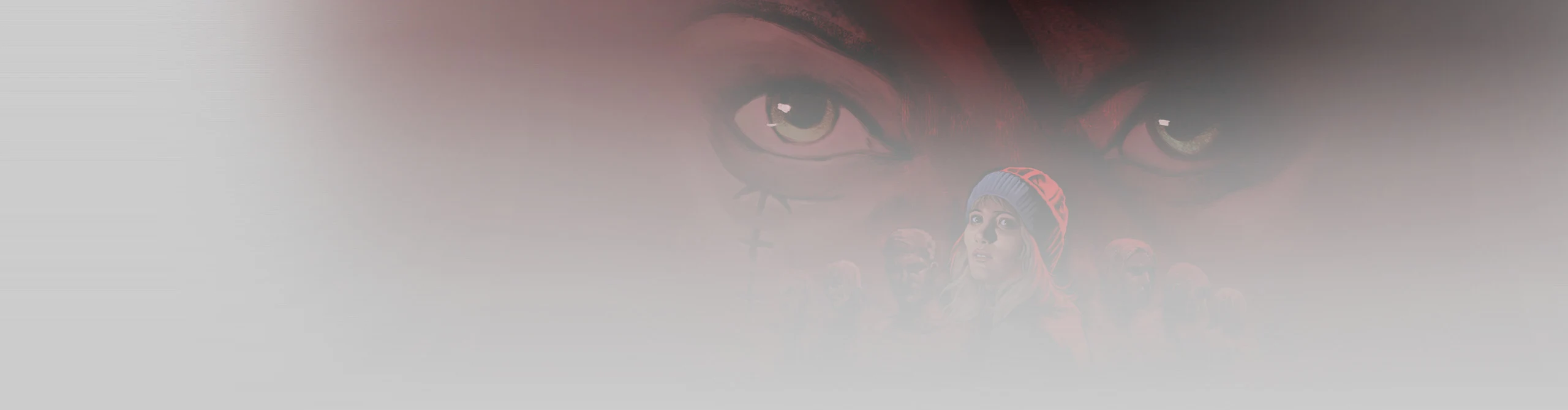
- Tenebris Somnia story centers on Julia and a nightmare world that blurs dream and reality.
- Two visual modes: retro 2D pixel exploration contrasted with live-action cutscenes and practical effects.
- Spoiler safety: this guide separates a spoiler-free premise from full-spoiler interpretation.
- Ending key: read the conclusion through recurring dream imagery, not a conventional horror reveal.
- Best approach: finish the game first, then return for the full analysis.
Tenebris Somnia Story Overview (Spoiler-Free)
The Tenebris Somnia story presents a disturbing survival-horror journey through a nightmare-like world. Developed by a team whose previous work embraces analog-horror aesthetics, the game deliberately contrasts two languages: the familiar look of classic 2D horror titles and unsettling filmed sequences shot with live actors and practical effects.
The premise follows Julia, a protagonist whose ordinary circumstances begin to fracture into recurring, escalating nightmares. Players explore dark rooms, solve environmental puzzles, and manage scarce resources while the boundary between the waking world and the dream world grows thinner with each chapter.
Video Highlights:
- Official trailer showing the pixel-art exploration and live-action contrast
- Glimpses of the practical-effects creatures without story context
- Tone and atmosphere preview, safe for players who have not finished the game
The sections below escalate from light spoilers to full spoilers. Stop at the "Nightmare World" section if you have not completed the game.
| Element | What It Is | Spoiler Level |
|---|---|---|
| Premise and setup | Julia, nightmares, deteriorating reality | None |
| Live-action role | How filmed scenes carry the story | Light |
| Symbolic reading | What the creatures represent | Heavy |
| Ending analysis | Final interpretation | Full |
Julia and the Nightmare World (Light Spoilers)
Julia functions as the player's anchor. Her perspective frames every nightmare, and the game's emotional weight depends on how her situation shifts between pixel-art gameplay segments and filmed cutscenes. The nightmares are not random hauntings; each chapter escalates imagery that connects back to her waking life.
The nightmare world operates on dream logic:
- Repetition: locations and objects recur with small, disturbing changes
- Inconsistency: geography shifts between visits, reflecting an unstable mind
- Contrast: calm live-action scenes alternate with hostile pixel-art sequences
- Escalation: each dream pushes further from the ordinary than the last
Pay attention to when the game switches between pixel art and live action. The transitions mark the story's most important emotional beats rather than serving as simple spectacle.
Live-Action Cutscenes and Practical Effects
The most distinctive storytelling device in the Tenebris Somnia story is its filmed footage. The development team shot live-action sequences with practical effects, giving the horror a tactile, analog quality that pixel art alone cannot achieve.
Live-Action Scenes
- Ground the story in recognizable reality
- Carry emotional and relational context
- Contrast sharply with the nightmare segments
Pixel-Art Nightmares
- Handle exploration, puzzles, and threat
- Echo classic 2D survival horror
- Distort familiar spaces into dream versions
Practical-Effects Creatures
- Physical puppets and makeup, not CGI
- Appear differently in cutscenes versus gameplay
- Reinforce the analog-horror tone
The creature you fight in pixel form and the creature you see on film are intentionally different presentations of the same threat. Compare both when forming your own interpretation.
How to Read the Ending (Full Spoilers)
The ending should be read together with the game's recurring dream imagery, the transitions between pixel-art gameplay and filmed scenes, and the unresolved boundary between ordinary reality and the nightmare. The conclusion works as an interpretation of what Julia has experienced rather than a simple conventional horror reveal.
Follow this sequence to build your own reading:
Track the Recurring Images
List the objects, rooms, and faces that appear across multiple nightmares. Repetition is the game's primary storytelling grammar.
Map the Transitions
Note each moment the game cuts between film and pixel art. These switches mark where reality and dream press against each other.
Read the Creatures Symbolically
Treat the monsters as manifestations of psychological pressure rather than external invaders. Their forms often distort something from Julia's waking life.
Reassess the Ending
With those patterns assembled, the ending becomes a statement about what Julia carries back from the nightmare, and whether the boundary ever truly closes.
The game intentionally leaves the dream-reality boundary unresolved. Competing readings are valid; the text rewards attention over a single "correct" answer.
| Story Layer | Question It Raises | Where to Look |
|---|---|---|
| Waking life | What is Julia's real situation? | Live-action scenes |
| Nightmare logic | What does each dream distort? | Recurring pixel-art rooms |
| Creature symbolism | What pressure do monsters embody? | Practical-effects designs |
| Ending | Does the nightmare end? | Final transition framing |
Story Analysis Checklist
Before You Form Your Ending Theory:
- Finish the main story at least once
- List every recurring dream image you remember
- Rewatch the final live-action scene
- Compare gameplay creatures with their filmed versions
- Decide where you place the dream-reality boundary
A second run with the ending in mind makes the early dream imagery significantly more legible. Small background details read as deliberate foreshadowing.
Story FAQ
Q: Is the Tenebris Somnia story fully explained by the ending?
No. The ending reframes the nightmare through recurring imagery and live-action scenes, but the dream-reality boundary is intentionally left unresolved, inviting interpretation.
Q: Do I need to watch the live-action cutscenes closely?
Yes. The filmed sequences carry most of the emotional and relational context. Skipping them removes the framework needed to understand the pixel-art nightmares.
Q: Are the monsters real within the story?
The game supports both literal and symbolic readings. Most analysis treats the creatures as manifestations of psychological pressure drawn from Julia's circumstances.
Q: Is this guide safe to read before finishing the game?
The overview section is spoiler-free, but the ending section contains full spoilers. Complete the game before reading past the light-spoiler sections.